
How Long Does a Newborn Photoshoot Take? (A Realistic Timeline for Parents)
Welcoming a newborn into the family is a moment filled with joy and wonder. Many parents want to capture these early days through a newborn photoshoot. If you are a first-time or expecting parent, you might wonder, how long does a newborn photoshoot take? Understanding the realistic timeline can help you prepare and feel more comfortable on the day of the session.
Newborn photography session time is often longer than typical photo sessions. This post breaks down why that is, what to expect, and how to plan for a smooth experience.
Why Newborn Photoshoots Take Longer Than Regular Sessions
Unlike older children or adults, newborns require a gentle, patient approach. Their needs and comfort come first, which naturally extends the session time. Here are some reasons why newborn photoshoots take longer:
Baby’s unpredictable behavior: Newborns sleep, feed, and need diaper changes frequently.
Safety and comfort: Photographers work slowly to ensure the baby is safe and comfortable in every pose.
Settling time: Babies need time to calm down and fall asleep before posing.
Parent involvement: Parents often assist with soothing and feeding, which adds to the timeline.
This means a newborn photoshoot is not just about snapping pictures quickly but about creating a calm environment where the baby feels secure.
Typical Duration Range for a Newborn Photoshoot
A newborn photoshoot usually lasts between 2 to 4 hours. This range might seem long compared to other photography sessions, but it reflects the natural pace needed to work with a newborn.
Shorter sessions (around 2 hours) may happen if the baby is very cooperative and settles quickly.
Longer sessions (up to 4 hours) are common when the baby needs more time for feeding, soothing, or diaper changes.
The goal is not to rush but to capture beautiful, natural moments while prioritizing the baby’s well-being.
Step-by-Step Breakdown of Newborn Photoshoot Time
Here is a detailed look at how the time is typically spent during a newborn photography session:
1. Baby Settling (30 to 60 minutes)
Before any photos are taken, the baby needs to be calm and often asleep. This settling time includes:
Swaddling the baby gently
Rocking or soothing to help the baby relax
Waiting for the baby to fall into a deep sleep
This step is crucial because a calm baby is easier to pose and photograph.
2. Feeding and Diaper Changes (30 to 60 minutes)
Newborns feed frequently, and feeding is a natural break during the session. Diaper changes also happen regularly to keep the baby comfortable.
Feeding can take 20 to 40 minutes depending on the baby’s appetite.
Diaper changes are quick but necessary to avoid discomfort.
These breaks are essential for the baby’s health and mood.
3. Shooting Time (60 to 90 minutes)
Once the baby is settled and comfortable, the photographer begins capturing images. This time includes:
Posing the baby carefully in different setups
Adjusting lighting and props
Taking multiple shots to get the perfect picture
Photographers work patiently to avoid startling the baby and to capture natural expressions.
4. Breaks and Adjustments (15 to 30 minutes)
Throughout the session, short breaks allow everyone to regroup. These breaks might be for:
Parents to rest or assist with soothing
Photographer to review images and adjust settings
Baby to be comforted if they become fussy
These pauses help maintain a calm atmosphere.
Why Rushing a Newborn Photoshoot Is Unsafe and Ineffective
Trying to speed through a newborn photoshoot can cause stress for both the baby and parents. Rushing may lead to:
A fussy or unsettled baby
Unsafe posing or handling
Missed moments of natural beauty
Photographers trained in newborn safety prioritize slow, gentle movements and allow the baby to set the pace. This approach results in better photos and a safer experience.
How Baby-Led Sessions Affect Timing
Newborn photoshoots are often baby-led, meaning the baby’s needs and cues guide the session. This approach affects timing because:
The photographer pauses when the baby needs feeding or soothing.
Poses are adjusted based on the baby’s comfort.
The session length is flexible to accommodate the baby’s rhythm.
Parents should expect the session to flow naturally rather than follow a strict schedule.
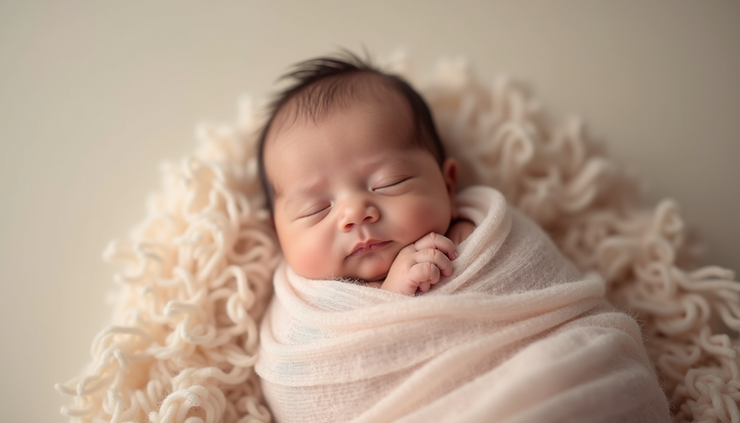
Newborn baby wrapped in a soft blanket during a calm photoshoot
What Parents Should Plan for on the Day of the Shoot
To make the newborn photoshoot as smooth as possible, parents can prepare by:
Arriving with a calm mindset: Babies can sense stress, so staying relaxed helps.
Bringing essentials: Extra diapers, wipes, feeding supplies, and a favorite blanket or toy.
Dressing comfortably: Parents should wear clothes that allow easy access for feeding.
Allowing plenty of time: Avoid scheduling other activities immediately before or after the session.
Communicating with the photographer: Share any special needs or preferences beforehand.
Planning ahead helps parents feel confident and supports a positive experience.
Final Thoughts on Newborn Photoshoot Duration
Understanding the newborn photoshoot duration helps set realistic expectations. Sessions take longer than typical photography because they revolve around the baby’s comfort, safety, and natural rhythms.
Longer sessions are designed to create a calm environment where beautiful, timeless images can be captured without pressure. For first-time parents, this means more patience and preparation, but also more meaningful memories.
Comments